Packing mistakes that can ruin your moving day
April 3, 2025
15+ Years Serving NYC
4.9 Google Rating
24/7 Availability
Moving can be stressful, but proper planning makes a big difference. Avoiding errors during the packing process helps prevent damage and chaos. Many people hire movers NYC residents praise, for heavy lifting and expert assistance. Still, mistakes often happen before the truck arrives. The next sections examine the most common packing slip-ups and offer practical solutions. Reading these suggestions helps anyone stay organized, protect belongings, and enjoy a more organized moving experience.
Overpacking boxes
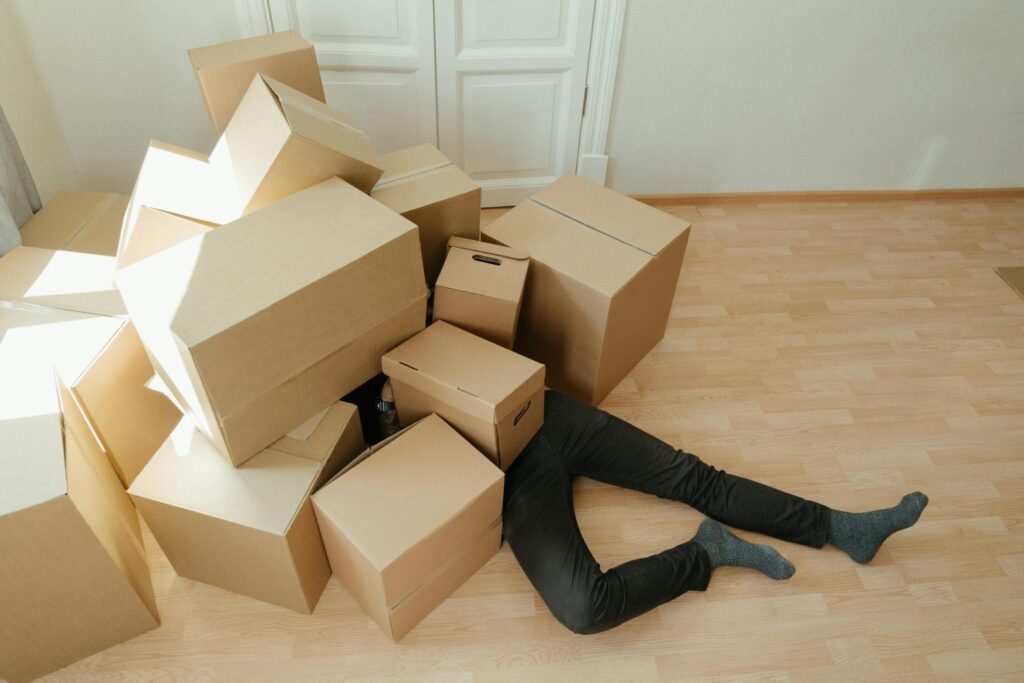
One common mistake involves overstuffing boxes. Heavy loads lead to accidents and breakage. An overloaded box might tear, or it might cause back strain when someone tries lifting it, which causes unwanted delays and potential injury.
Think about the total weight before sealing a box. Use sturdy containers that can handle the items and distribute the contents evenly. This step helps keep everything balanced. Leave a little space at the top. That avoids unnecessary strain on the walls of the container.
Don\’t skip labeling! Packing mistakes that can ruin your moving day often start with unlabeled boxes.
Lighten loads by splitting items across multiple boxes. Combine heavier objects with lighter ones. Place a few books with towels or pillows, instead of piling books into a single carton. Keeping each container at a manageable weight ensures easier lifting.
Consider these simple tips to avoid overpacking:
Place heavier items at the bottom.
Fill empty spaces with soft materials.
Lift-test boxes before taping them shut.
Use smaller cartons for books or dishes.
Close the top securely, without bulging.
All these measures reduce damage risk. They also lower the chance of hurting your back. Organized packing sets a positive tone for the rest of the move.
Skipping the labeling
A hurried packer sometimes forgets to mark boxes. That sparks confusion when everything arrives at the new address. Guessing contents slows the process. While people end up opening random containers and hunting for specific items, stress levels rise.
Color-coded stickers simplify sorting. Assign one color per room. Attach the correct sticker on every box linked to that space. Another method involves writing the name of the room. This approach guides helpers in unloading each container. Clear labeling systems reduce wasted time later.
Add the word \“fragile\” on boxes carrying breakables. Extra caution during loading and unloading keeps items safer. Mark boxes on multiple sides. That helps you see the note no matter how the container gets placed. Professional teams like fine art movers NYC residents rely on, and appreciate clear instructions for precious belongings, so labeling is a wise step.
Not protecting fragile items
Fragile belongings need proper padding. Breakable dishes, glasses, mirrors, and electronics are prone to damage if placed carelessly in a box. Thin layers of newspaper or flimsy wrapping lead to chips or cracks.
Bubble wrap and packing paper shield surfaces. Sturdy boxes made for dishes offer reinforced partitions. Those partitions keep plates and cups from hitting each other. Always place heavier breakables at the bottom, then cushion them with paper or towels. That buffer limits movement if the box shifts.
Plates and mirrors travel better in a vertical position. Wrap them individually, then line them up. Label each box as \“fragile.\” Share that detail with anyone lifting those containers. A company offering specialized support, such as white glove movers NYC, can handle delicate items with extra care. Still, a good packing job makes their role simpler. It also cuts down on possible breakage.
Packing clothes the wrong way
Some people toss clothes in trash bags or stuff them into any available container. That approach leads to wrinkles or damage. Heavy fabrics get jumbled with lighter garments. Zippers might snag delicate items. The result is a messy pile that needs serious ironing later.
Organizing your suitcase step-by-step keeps everything easy to find.
Wardrobe boxes maintain clothes on hangers. This prevents creases. Fold items neatly if boxes with hanging rods are unavailable. Suitcases with rollers are another great option. They hold folded shirts, pants, and smaller pieces. They\’re easy to transport, and they protect clothes from dust and moisture.
Avoid cramming too many clothes into one space. Overstuffed suitcases become bulky and harder to move. Using quality garment bags can keep delicate fabrics looking fresh. Choose thick, durable materials that shield clothing during the trip. That simple step saves time and headaches when unpacking.
Failure to pack an essentials box
Arriving at a new place without easy access to chargers or toiletries creates a hassle. Many people forget to gather daily necessities in one box or bag. That means rummaging through dozens of containers in search of a phone charger or toothbrush. A little planning avoids that problem.
Include snacks, water bottles, medications, basic tools, and personal hygiene items in a single box. Keep that container closed during the move. Label it so it stands out from the rest. That prevents confusion when reaching the new house. Also, it gives you a stress-free first night. Digging through half-unpacked kitchen boxes for plates or cups is inconvenient. Having quick access to the essentials box helps everyone relax.
Pick a distinct container for these must-have items. A small suitcase or plastic bin often works best. Seal it securely, and load it last. Unload it first upon arrival. That method keeps vital supplies within arm\’s reach.
Underestimating the time needed for packing
Some people assume packing can happen in one day. Then they discover how many belongings are still scattered around. Rushing leads to poor packing, broken items, or mislabeled boxes. This last-minute scramble increases overall stress.
Realistic timelines help. Begin organizing belongings weeks ahead. Sort everything into categories, and remove clutter as early as possible. That strategy frees up time for wrapping and labeling. Mark your calendar with milestones. Dedicate specific days for packing each room. Proper scheduling prevents panic in the final hours.
Time management is key when planning a move and trying packing mistakes that can ruin your moving day
A professional crew, such as packing service movers, handles packing if time is tight. They bring specialized supplies and know how to keep everything safe. Their experience removes the guesswork. Working with experts cuts down on frantic, last-minute chaos. Even when hiring a team, it\’s helpful to plan well in advance. That sets a steady pace and lets everyone coordinate efforts more effectively.
Overlooking special items
Oddly shaped objects and living things need special attention. Plants, for example, don\’t travel well in cramped spaces without air. Large furniture pieces might get scratched if they\’re not disassembled or wrapped. Family pets require safe transportation that minimizes discomfort.
Dismantle big furniture pieces if possible. Remove legs from tables. Wrap edges with protective padding. That stops them from gouging walls or other items. Secure screws and small hardware in labeled bags. Tape them to the furniture piece, so nothing goes missing. These steps might take extra time. They save a lot of trouble when unloading.
Packing mistakes that can ruin your moving day can be easily avoided
Preparation is the best defense against problems. Everything flows smoothly on the big day when properly packed and labeled. These steps help prevent the most common packing mistakes that can ruin your moving day. No one wants frustration and breakage. Simple strategies help keep stress under control. Treat every stage with care and preparation. That way, you\’ll settle into your new home faster and happier. All it takes is mindful packing and planning.